
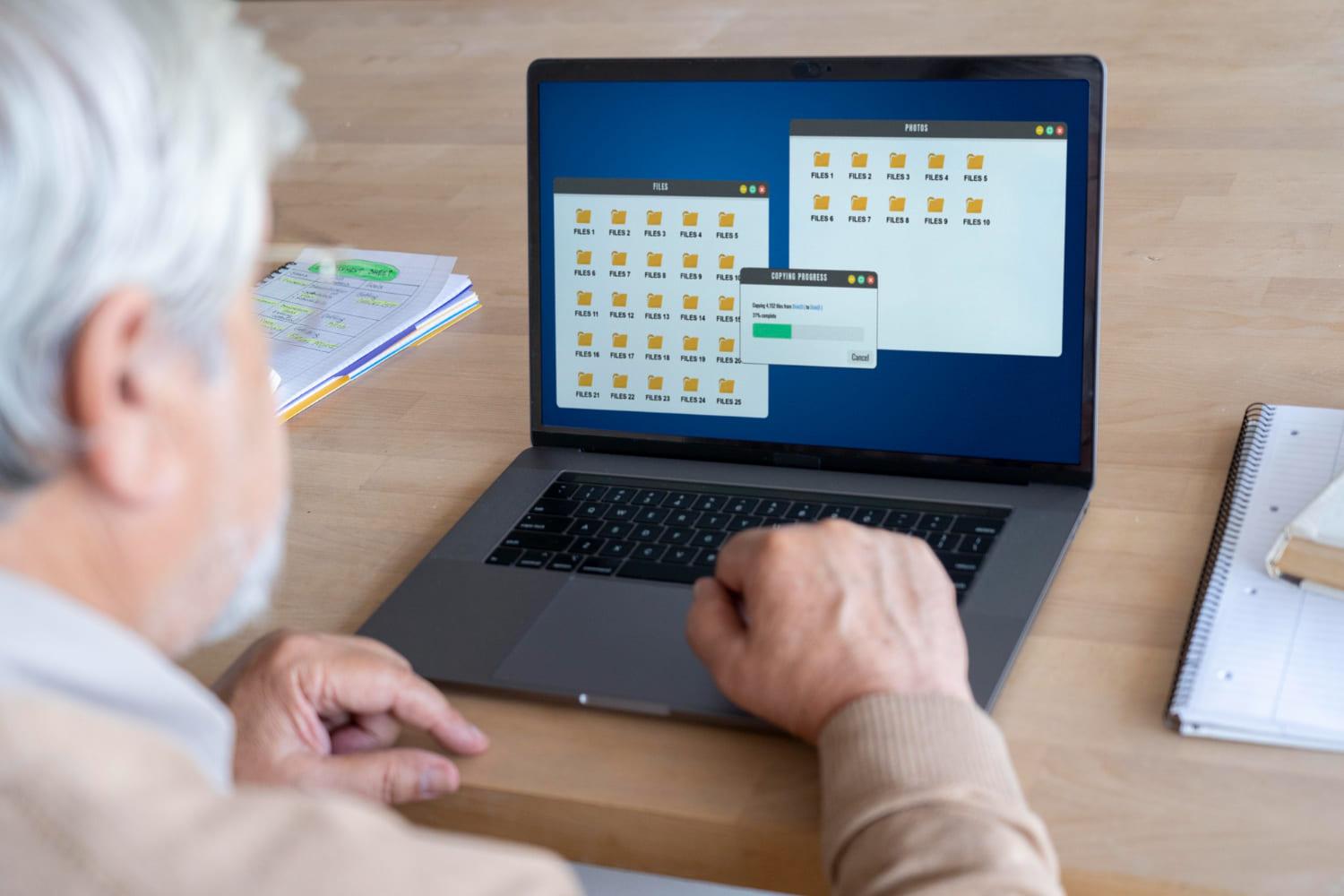
Approaches to Information Management
- Centralized Digital Platform: This method funnels all family and team data into one digital hub, such as Quicklane Notes. It guarantees consistent information access for all members, enhancing communication and task oversight from any location.
- Hybrid Information System: Combining digital tools with traditional physical methods like whiteboards or notebooks. This offers flexibility, catering to diverse preferences while still leveraging technology for critical data sharing and long-term record keeping.
- Decentralized Manual Arrangement: Relies on individual notebooks, personal calendars, and ad-hoc communication. While simple for very small groups, it often leads to information silos and potential inconsistencies, requiring frequent verbal updates.
Evaluation Criteria
- Data Accessibility & Retrieval: How effortlessly authorized individuals can locate and access necessary information from various devices and locations, ensuring timely decision-making.
- Information Consistency & Accuracy: The degree to which data remains uniform and correct across all records, preventing discrepancies and ensuring everyone operates with reliable information.
- Adaptability & Scalability: The system's capability to adjust to evolving needs and expand seamlessly as the family unit or team grows in size and complexity.
- User Engagement & Adoption: How intuitive and appealing the system is, promoting consistent and willing participation from all members for sustained organizational effectiveness.
Comparative Analysis
A centralized digital platform excels in providing immediate data access from any internet-connected device. All updates are reflected instantly, ensuring high information consistency across the entire team or family. This minimizes miscommunications and guarantees everyone works with the most current data available, significantly boosting operational clarity.
Such platforms, including Quicklane Notes, are designed for high adaptability, allowing customization of fields, views, and access permissions. They scale effortlessly from small families to large teams. Modern interfaces promote strong user engagement through intuitive design, notifications, and collaborative features, encouraging widespread adoption and consistent usage.
Hybrid systems offer moderate accessibility. Digital components provide remote access, but physical notes require presence. Consistency can be a challenge as updates in one medium might not be immediately replicated in another, potentially leading to outdated information if not diligently managed. Coordination is key to prevent discrepancies.
Adaptability is a strong point for hybrid systems, as they can be tailored to individual preferences, blending digital convenience with tactile comfort. Scalability, however, can become cumbersome as the volume of physical elements grows. User engagement varies; some prefer the mix, while others may find the dual management effort less appealing over time.
Accessibility in a decentralized manual system is inherently limited to the physical location of the notes. Information consistency is the primary weakness; without a central repository, verifying the latest version of any data point becomes difficult, leading to frequent misunderstandings and duplicated efforts across the group.
This approach offers minimal adaptability for structural changes; adding new categories often means starting fresh. Scaling is impractical beyond very small groups, quickly becoming unmanageable. User engagement is often low due to the lack of shared structure and the burden of individual information management, leading to fragmented oversight.
Recommendations for Selection
For families and teams requiring robust, real-time coordination and universal access, a centralized digital platform is the superior choice. Solutions like Quicklane Notes provide the infrastructure for seamless data sharing, ensuring everyone is aligned and informed, irrespective of their physical location. This approach maximizes operational efficiency and reduces communication overhead.
Consider a hybrid information system if your group values the tangible aspects of physical notes but also needs the reach of digital tools. This method suits environments where some tasks benefit from immediate, visible physical reminders, while others demand remote access and digital archiving. Careful management is essential to maintain data synchronization across mediums.
A decentralized manual arrangement is only advisable for the smallest, most informal groups with minimal interdependencies. Its simplicity can be appealing for very basic needs, but it quickly proves insufficient for any significant coordination. The absence of a shared, reliable information source will inevitably hinder collective efforts and lead to inefficiencies.
Ultimately, the optimal choice depends on your specific operational context. Evaluate your group's size, geographical distribution, and the criticality of real-time, accurate information. Investing in a system that fosters clear communication and organized data management will significantly enhance your collective productivity and reduce potential friction points.
previous post

comments
No comments yet. Start the conversation
Your comment will be published later.
Recent Posts



JOIN OUR COMMUNITY